
Findings
Discussion and Novel Findings
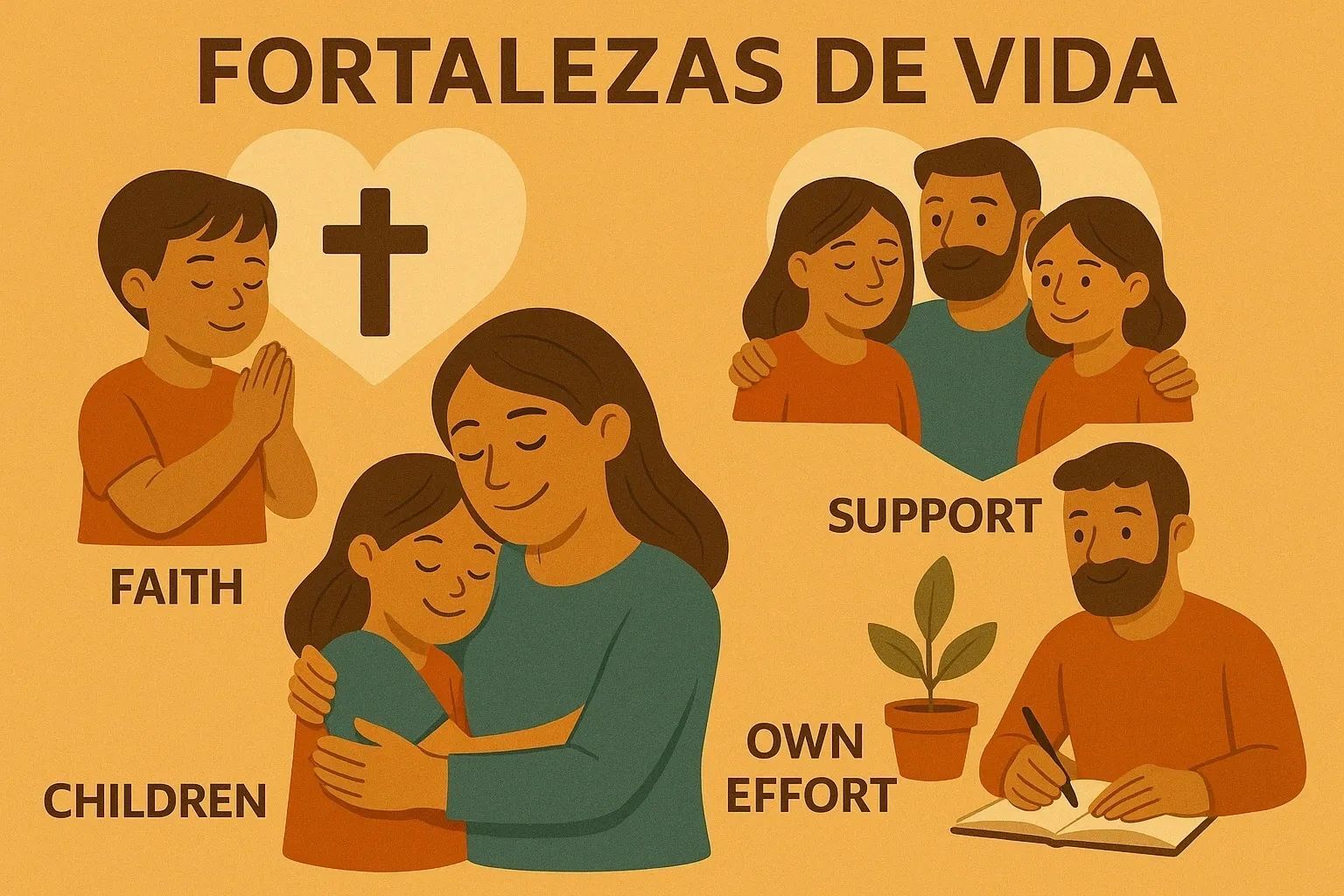
Fortalezas de Vida
“When I felt bad, I thought of my kids. I had always fought for them. That was my goal, to keep fighting [for them].”“Cuando yo me sentía mal, yo pensaba en mis hijos. Yo siempre había luchado por ellos, y esa era mi meta, seguir luchando [por ellos]”.

Siempre Ahí · Always There
“I was always there. I talked to them every day. I would talk to them in the morning, when they had arrived from school and at night before bed. If we hadn't talked daily, I think they would have been even more distressed. I always had to be in control.”“Yo siempre estaba ahí. Era a diario que hablaba con ellos, en la mañana, cuando yo sabía que ella llegaba de la clase y en la noche para acostarse. Si no hubiéramos hablado a diario, ellos se hubieran angustiado más. Siempre tenía que estar en control”.

Siempre Ahí (Always There): A Psychosocial Model of Parental Experience After Migration
What Sustained Parental Self and Well-Being:
- 1. Being “Siempre Ahí” (Always There)
- 2. Empathic attunement by and to parents
- 3. Children, Community, and God as Fortalezas de Vida
1. Migration
(psychological disintegration, broken-heartedness, life loses meaning)
2. Transnational Parenting
(virtual connection & routines, parental advice, children motivate, relief)
3. Children’s Path to Reunification
(fear, disorientation, enthusiasm, preparation, joy)
4. Reunification
(relief, joy, calm, life returns, new goals)
5. Adjustment
(the past returns, continued parental effort, children reciprocate)
Keep going at your own pace. Explore more resources or get in touch.